Introduction
Anyone who engages in recreational fishing in Canada must have a fishing license. This allows people to enjoy the abundance and variety of fish species found in Canada’s lakes, rivers and oceans while also ensuring sustainable practices and the protection of the aquatic eco-system. This article will give you all the information you need about fishing licenses, including how to get one, what types of licenses are available, and the important rules and regulations that must be followed.
Types of fishing licenses
Canada offers a variety of fishing licenses to suit different fishing preferences and locations. These licenses are issued either by the provincial or territorial governments. The most common types are:
- Resident Fishing License
- Non-Resident fishing license
- Senior Fishing License
- Youth Fishing License
Resident Fishing License
The Resident fishing license is for permanent residents of Canada who wish to fish recreationally in their province or territory. This license is usually valid for a single fishing season and may be obtained at local government offices, authorized retail outlets, or online via the official government website.
Non-Resident fishing license
The Non-Resident Fishing License is for those who don’t permanently reside in Canada, but still wish to fish while on vacation. These licenses usually have a limited validity and can be purchased through authorized outlets, such as government offices or resorts.
Senior Fishing License
Senior Fishing Licenses are available to individuals who have reached an age limit, usually 65 or older. Senior citizens can get a discounted rate on this license and participate in recreational fishing within their province or territorial jurisdiction.
Youth Fishing License
The Youth Fishing License was designed to encourage young people to develop an interest for fishing. The license is only available to children and teens who are 16 years old or younger. Some provinces offer these licenses free of charge to encourage youth fishing.
How to obtain a fishing license
You can obtain a fishing permit in Canada by following a few simple instructions, regardless of what type of license you need.
Step 1: Determine Your Residency Status
Determine your status as a Canadian resident. This will help you determine which type of fishing licence is appropriate for you.
Step 2: Select the Right License
Choose the right fishing license based on your fishing preferences and residency status. Choose the license that best suits your needs. Each license type has its own regulations, fees and requirements.
Step 3: Check provincial regulations
It is important to be familiar with the rules in the area where you intend to fish, as fishing regulations differ between provinces and territorial governments. Each province has an official government website that provides detailed information on fishing regulations, seasons and catch limits.
Step 4: Purchase a license
You can purchase a fishing license after you have determined your residency, selected the appropriate license and understood the regulations. You can purchase a fishing license either in person or online through the respective provincial or territory government.
Step 5: Carry Your License
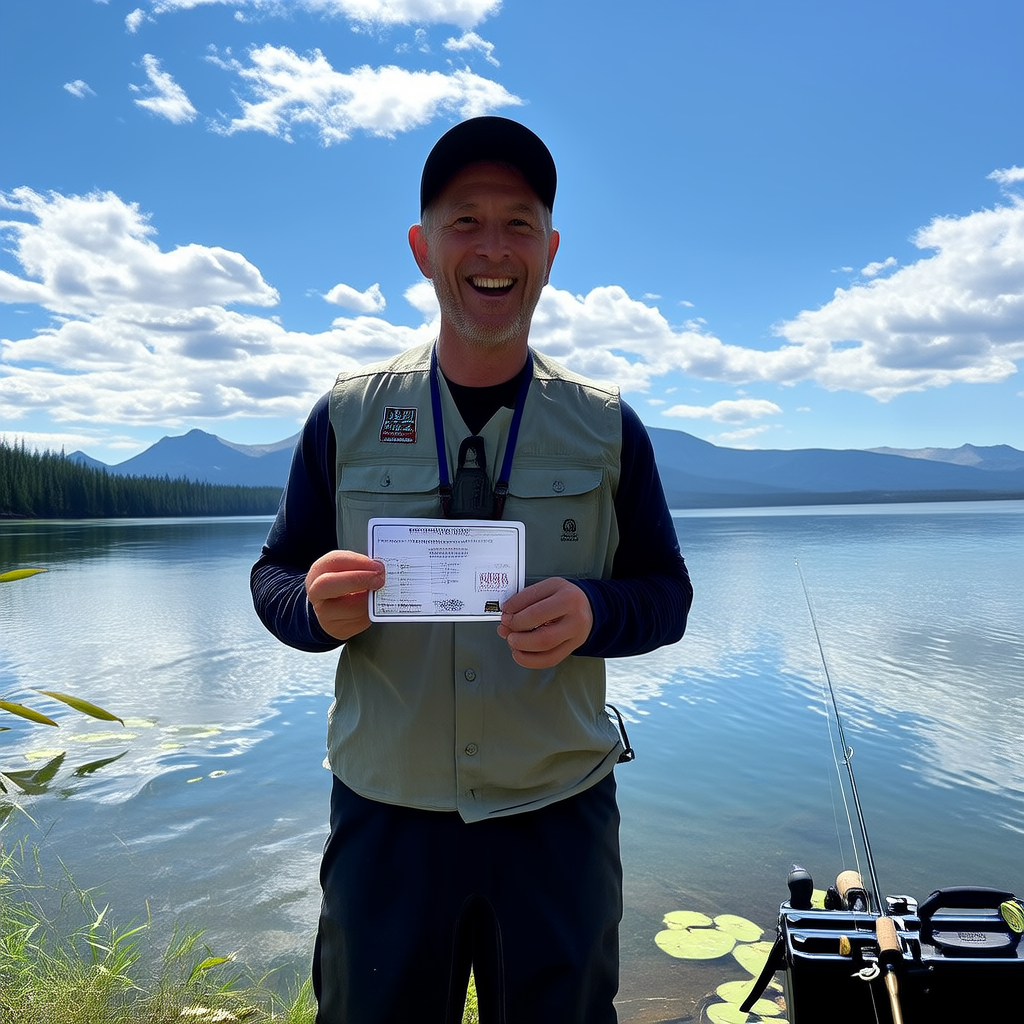
It is important to always carry your fishing license with you when you are fishing. Fishing officers or conservation officers can conduct random checks on compliance with fishing regulations. Failure to have a valid fishing license could result in fines or penalties.
Conservation and Fishing Regulations
A fishing license gives you the right to fish legally. However, it comes with certain responsibilities. To maintain the sustainability and habitats of fish, it is important to adhere to fishing regulations. Some of the most important conservation practices and fishing regulations in Canada include:
Catch and Release
The technique of catch and release involves returning the fish you have caught to the water without harm. This technique helps conserve fish populations, and is especially important for species at risk or vulnerable.
Size and Bag Limits
Provinces and territories often set size and bag restrictions, which specify the maximum and minimum sizes of fish and the number of fish per day that can be retained. These limits ensure fish populations are healthy and don’t deplete from overfishing.
Protected Areas & Species
In order to protect sensitive habitats or endangered animals, there may be designated protected zones where fishing is restricted or banned. It is important to adhere to these regulations and avoid fishing in prohibited zones.
Prohibited Baits & Techniques
Some provinces may ban certain lures, baits, or techniques of fishing that threaten fish populations or endanger aquatic species. To avoid violating any laws, you should familiarize yourself with the prohibited techniques and baits in your fishing area.
Benefits of a fishing license
A fishing license is beneficial to the individual, the environment, and the local economy. A fishing license has many benefits, including:
Supporting conservation efforts
The fees collected by fishing licenses are usually reinvested in conservation programs, habitat restoration projects, and research. By purchasing a license, you are contributing to the ongoing efforts of protecting and maintaining fish populations and ecosystems.
Ensure Sustainable Fishing
The number of anglers, and the catch rate can be tracked by authorities using fishing licenses. This data is useful for managing fish populations, tracking patterns, and implementing measures to ensure sustainable practices.
Preservation of Fisheries
By adhering and practicing responsible fishing you can help conserve fish populations and ensure that future generations will be able to enjoy the abundant fishing opportunities available in Canada’s rivers, lakes, and oceans.
Boosting Local Economys
Recreational fishing is a major contributor to local economies. It supports businesses like fishing lodges, resorts and bait and tackle shops. You can contribute to the economic development of communities that depend on fishing tourism by obtaining a license and participating in recreation fishing.
Conclusion
A fishing license is not only required by law in Canada, but it’s also a step towards sustainable and responsible fishing. It allows people to enjoy the abundance and diversity of fish species, while also contributing to the conservation of aquatic ecosystems. Understanding the different types licenses, adhering to fishing regulations, and practicing ethical fishing will ensure a memorable experience.